

logotype

No products in the cart.

LoginJoin Now
  • Home
  • Why Us
  • Our Team
  • All Courses
  • Contact Us
  • Latest News
Facebook-f Twitter Pinterest Github Linkedin-in
  • 0468 775 661
  • support@aheti.com.au
  • 50 Atchison St., Suite 2, Ground floor. St Leonards, Sydney, NSW 2065
Facebook Twitter Youtube
  • Home
  • Why Us
  • Our Team
  • All Courses
  • Contact Us
  • Latest News
Login / Register as Student
logotype
  • Home
  • Why Us
  • Our Team
  • All Courses
  • Contact Us
  • Latest News
logotype
  • Home
  • Why Us
  • Our Team
  • All Courses
  • Contact Us
  • Latest News

No products in the cart.

Login / Register
logotype
  • Home
  • Why Us
  • All Courses
  • Contact Us
  • Latest News
  • Our Team
Login / Register as Student
  • Home
  • Why Us
  • Our Team
  • All Courses
  • Contact Us
  • Latest News
logotype
logotype
  • Home
  • Why Us
  • Our Team
  • All Courses
  • Contact Us
  • Latest News
Uncategorized
Home Archive by Category "Uncategorized"

Category: Uncategorized

Uncategorized
kristine.dawang

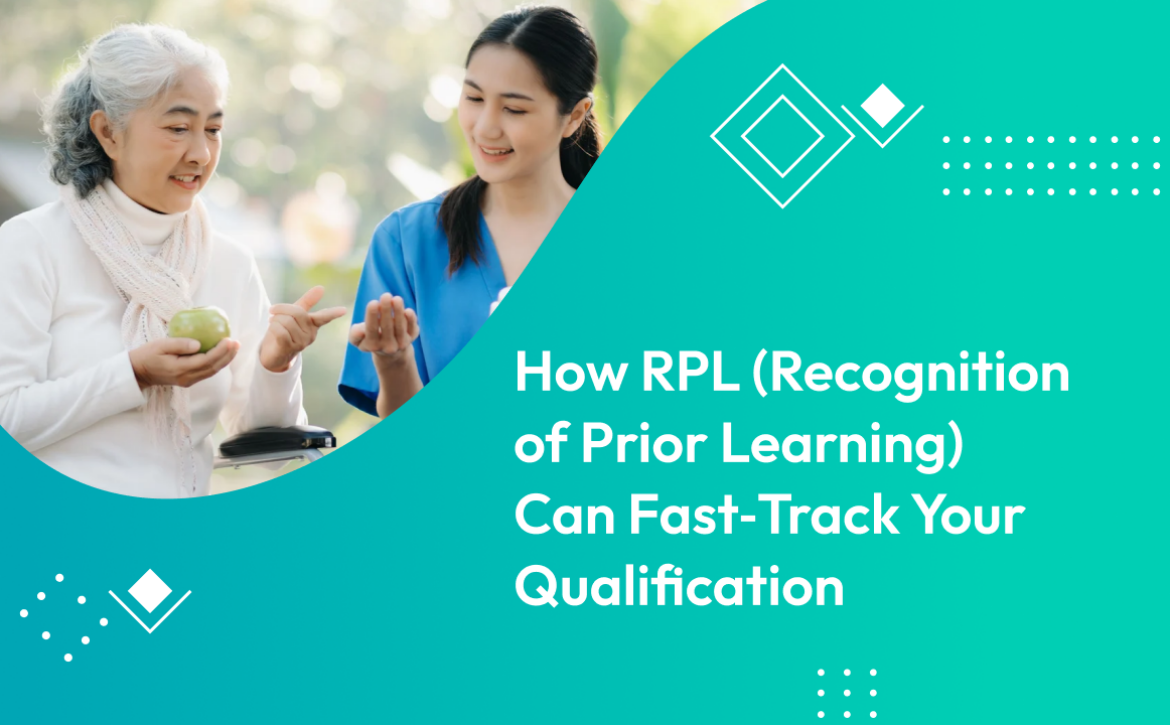
How RPL (Recognition of Prior Learning) Can Fast Track Your Qualification

What is RPL ?

Recognition of Prior Learning (RPL) is a formal assessment process that acknowledges the skills, knowledge, and experience you’ve already gained through work, volunteering, or previous study. Instead of repeating training you already know, RPL allows you to demonstrate competency and receive credit toward a nationally recognized qualification.

Why RPL Matters

  • Save Time: Skip units you’ve already mastered and complete your qualification faster.
  • Save Money: Less coursework means reduced tuition costs.
  • Boost Your Career: Gain nationally recognized credentials quickly to meet industry requirements.
  • Flexible Pathway: Only complete gap training for areas where evidence is missing.

How RPL Works

  1. Eligibility Check – Confirm your prior learning or work experience aligns with the qualification.
  2. Evidence Gathering – Provide resumes, references, work samples, or prior certificates.
  3. Assessment – A qualified assessor reviews your evidence against competency standards.
  4. Gap Training (if needed) – Complete only the units you haven’t yet demonstrated.
  5. Qualification Issued – Once competencies are verified, you receive your certificate.

Example in Practice

Imagine a support worker with years of aged care experience. Through RPL, their skills are recognized, allowing them to achieve a Certificate III in Individual Support without repeating training they already perform daily.

Why Choose AHETI for RPL

At AHETI, we specialize in recognizing healthcare and community service experience. Whether you’ve worked in aged care, disability support, or first aid, our RPL pathway helps you:

  • Gain qualifications faster
  • Meet compliance requirements
  • Advance your career with nationally recognised training

Ready to fast‐track your qualification?

Contact AHETI today to explore your RPL options and take the next step in your career.
READ MORE
Uncategorized
kristine.dawang

How Do I Become a Qualified Career or Educator in Australia?

Australia’s care and education sectors are growing rapidly, and with that growth comes a demand for skilled, qualified professionals. If you’ve ever asked yourself, “How do I become a carer or educator in Australia?”, here’s a clear step‐by‐step guide.

Step 1: Understand the Role

Carers and educators play vital roles in supporting vulnerable individuals and shaping young lives.

  • Carers provide assistance in aged care, disability support, and community services.
  • Educators nurture children’s development in early childhood and school settings.

Both roles require compassion, patience, and most importantly nationally recognised training.

Step 2: Choose the Right Qualification

To work in these fields, you’ll need a course that meets Australian standards:

  • CHC33021 (Certificate III in Individual Support) – for aged care and disability support careers.
  • HLTAID012 (Provide First Aid in Education & Care) – essential for teachers and childcare workers.
  • SHBBINF002 (Maintain Infection Control) – critical for maintaining safe environments in schools, workplaces, and care facilities.

These qualifications ensure you’re job‐ready and compliant with national requirements.

Step 3: Enrol with a Registered Training Organisation (RTO)

Only RTOs like AHETI can deliver nationally recognised training. This guarantees your qualification is valid across Australia and trusted by employers.

Step 4: Gain Practical, Hands‐On Skills

Training isn’t just about theory. At AHETI, you’ll learn through:

  • Simulated scenarios that mirror real‐world emergencies.
  • Hands‐on practice in first aid, infection control, and support techniques.
  • Guidance from experienced trainers who understand industry expectations.

Step 5: Launch Your Career

Once qualified, you can step into roles such as:

  • Aged Care Worker
  • Disability Support Worker
  • Childcare Educator
  • Community Care Assistant

With Australia’s ageing population and growing childcare needs, demand for these roles is only increasing.

READY TO START YOUR CAREER?

At AHETI, we specialise in clear, actionable training that empowers learners to make a difference.
Our graduates don’t just earn certificates BUT they build careers that change lives.

Ready to start your journey? Explore AHETI’s nationally recognised courses today.

READ MORE
Uncategorized
kristine.dawang

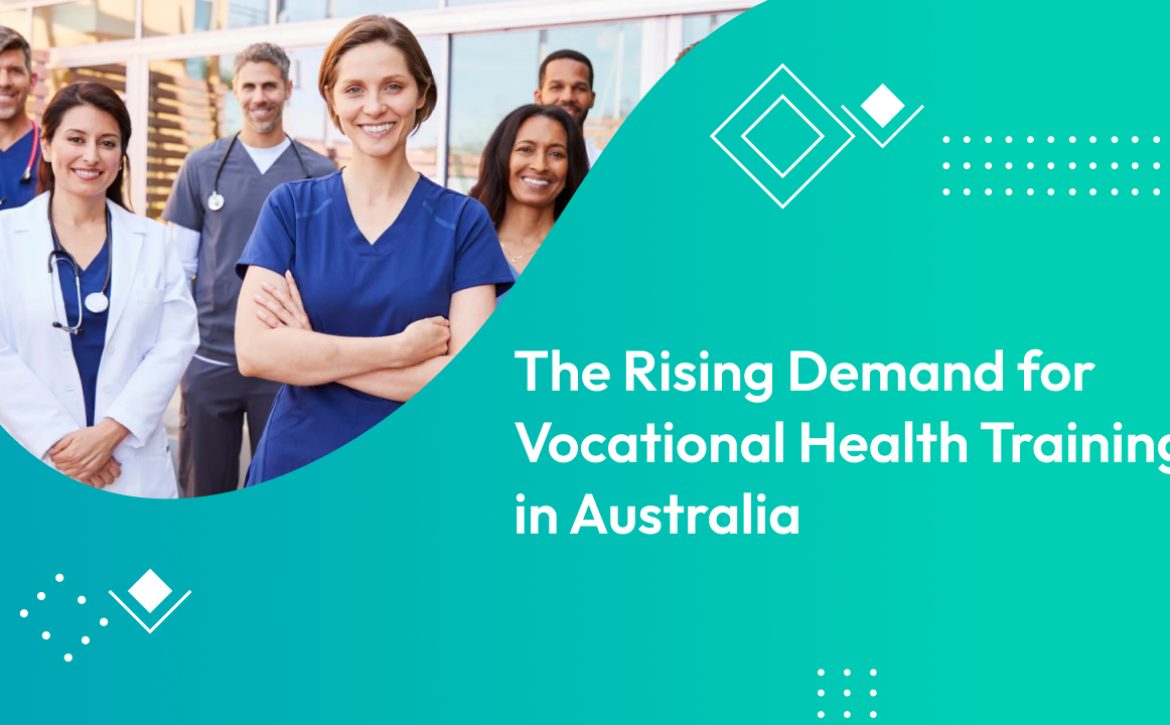
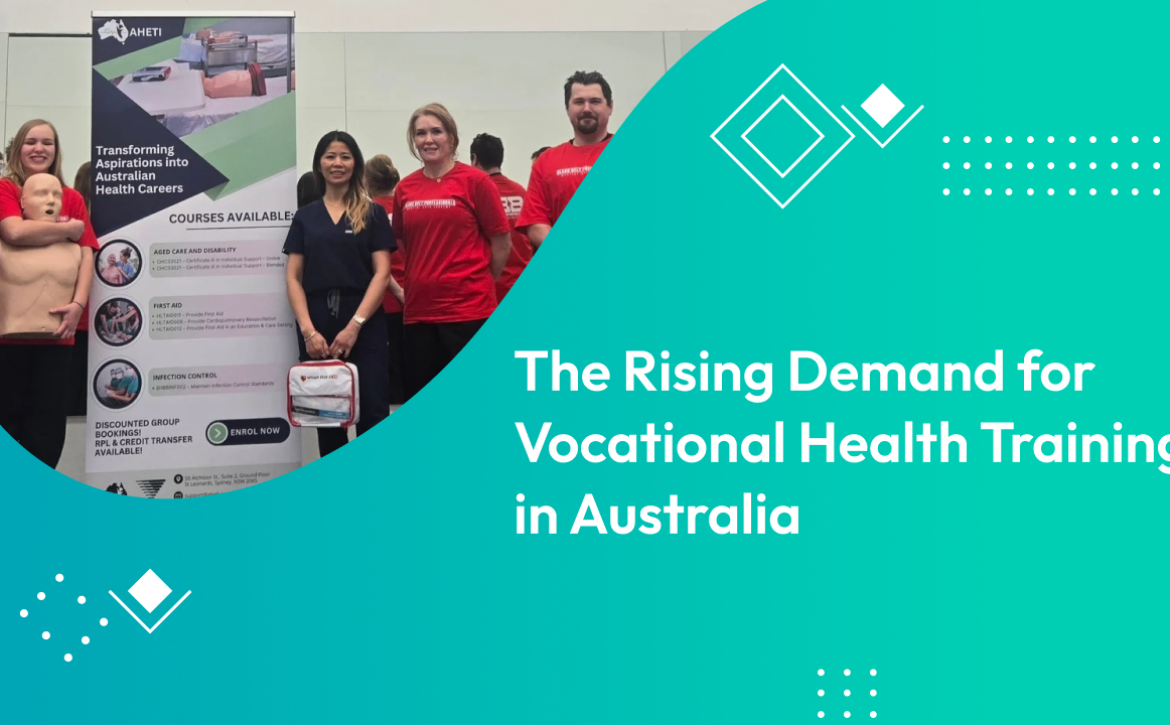
The Rising Demand for Vocational Health Training in Australia

Australia’s healthcare sector is evolving rapidly. With an ageing population, stricter compliance standards, and the expansion of community-based care, the demand for skilled health workers has never been greater. Vocational education and training (VET) programs — particularly Certificate III in Individual Support and short courses in compliance and advanced care — are now essential pathways for building a workforce that is both job-ready and nationally recognised.

Why Vocational Health Training Matters?

Healthcare extends far beyond hospitals. Aged care facilities, disability services, and community organizations rely on workers who can demonstrate competence in both everyday and advanced skills.

Certificates such as First Aid, Basic Life Support, and Infection Control ensure safety and compliance in daily practice. Meanwhile, advanced training in Wound Care, Diabetes Management, Epilepsy Essentials, and NGT Care equips professionals to respond to complex patient needs.

For those seeking long-term career growth, Certificate III in Individual Support and NDIS Core Skills provide structured pathways into aged care and disability support — two sectors projected to expand significantly in the coming years.

Industry Trends

Employers increasingly prioritise candidates with nationally recognised qualifications, as these validate both technical competence and compliance with regulatory standards. The shift toward community-based care also requires frontline workers to develop broader skill sets, enabling them to adapt to diverse roles across aged care, disability support, and allied health services.

Vocational training delivers this flexibility. By combining practical skills with compliance knowledge, it ensures that workers remain aligned with national healthcare priorities while meeting the immediate needs of patients and communities.

The demand for skilled health workers in Australia continues to rise, and vocational training remains the most direct pathway to employment in this sector. Programs such as Certificate III in Individual Support, alongside short courses in compliance and advanced care, ensure that workers are not only job-ready but also capable of meeting evolving industry standards.

Enroll now or visit AHETI to explore AHETI’s nationally recognised health training programs.
Equip yourself with the skills that matter — and be part of Australia’s growing healthcare workforce.

READ MORE
Uncategorized
kristine.dawang

What Is Workplace Hygiene and Why Is Infection Control Essential?

Workplace hygiene isn’t just about keeping things clean — it’s about protecting health, ensuring compliance, and building trust. In healthcare, aged care, disability support, and community services, infection control is the everyday practice that keeps both workers and clients safe.

Why Is Hygiene Important in the Workplace?

  • Protecting Health: Reduces the spread of illness among staff and clients.
  • Professional Standards: Clean environments reflect credibility and care.
  • Compliance: Meeting national infection control standards ensures workplaces remain legally and ethically aligned.
  • Confidence: Workers trained in hygiene protocols feel prepared and respected in their roles.

What Does Infection Control Look Like in Practice?

Infection control is more than gloves and sanitizer — it’s about consistent habits and awareness:

  • Correct use of PPE (personal protective equipment)
  • Safe handling and disposal of waste
  • Maintaining clean workspaces and tools
  • Following protocols for hand hygiene and surface cleaning

These practices create a culture of safety that benefits everyone.

How Does AHETI Help You Build These Skills?

AHETI integrates hygiene and infection control across all training programs, ensuring graduates are workplace-ready. For those seeking deeper expertise, the SHBBINF002 – Maintain Infection Control Standards unit provides structured knowledge and confidence to uphold best practices.

This unit helps learners understand not just the “how” but the “why” behind infection control — making them trusted professionals in any setting.

READ MORE
Uncategorized
kristine.dawang

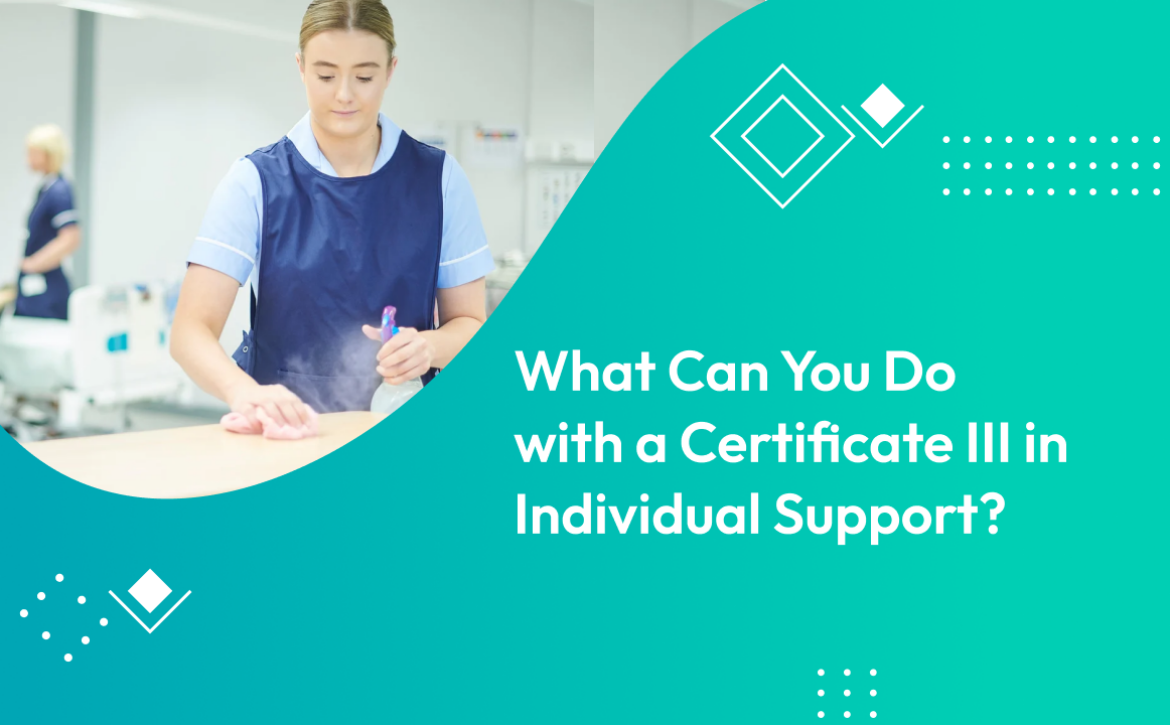
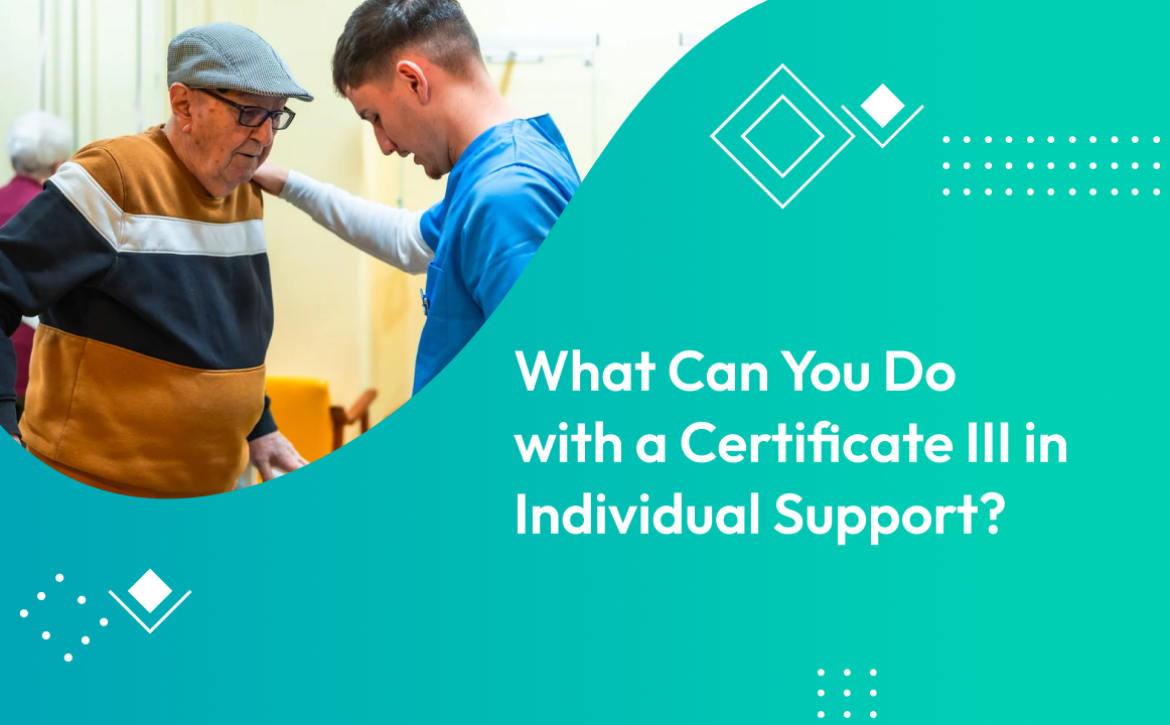
What Can You Do with a Certificate III in Individual Support?

If you’re looking to start a meaningful career in healthcare or community services, the Certificate III in Individual Support (CHC33021) is one of the most accessible and practical qualifications available in Australia. It’s nationally recognized, in high demand, and designed to prepare you for real-world roles that make a difference in people’s lives.

If you’re entering the workforce for the first time, changing careers, or returning after a break, this
qualification opens doors to essential frontline roles in aged care, disability support, and
home/community care.

Career Pathways

Graduates of this qualification are eligible for a range of entry-level roles across the care sector. Common job titles include:

  • Aged Care Worker

Supporting older Australians in residential facilities or in-home settings with daily tasks, emotional support, and personal care.

  • Disability Support Worker

Assisting individuals with physical, intellectual, or psychosocial disabilities to live independently, participate in community activities, and achieve personal goals.

  • Home Care Assistant

Providing care and companionship to clients in their own homes, often including meal preparation, hygiene support, and mobility assistance.

  • Personal Care Assistant (PCA)

Working in hospitals, aged care homes, or private residences to deliver hands-on care under supervision.

These roles are in high demand across Australia, especially as the population ages and the need for compassionate, trained support workers grows.

Specialisations Available

The Certificate III in Individual Support offers three key specialisations:

  • Aged Care

Focuses on supporting older clients in residential or home settings.

  • Disability Support

Prepares you to work with people who have physical, intellectual, or psychosocial disabilities.

  • Home and Community Care

Equips you to deliver services in clients’ homes and local communities.

Some providers allow you to combine specializations, giving you broader career options and flexibility.

Skills You’ll Learn

This qualification is hands-on and practical. You’ll learn how to:

  • Provide person-centred support
  • Assist with daily living activities
  • Communicate effectively with clients and colleagues
  • Follow safe work practices and infection control procedures
  • Support independence and wellbeing
  • Work legally and ethically in care environments

Training typically includes both classroom learning and supervised work placement, giving you real experience before you graduate.

Who It’s For

This course is ideal for:

  • School leavers looking for a direct path into healthcare
  • Career changers seeking meaningful work
  • Parents returning to the workforce
  • Migrants and international students wanting local qualifications
  • Anyone with a passion for helping others

No prior experience is required, and many providers offer flexible study options to suit your schedule.

Why It Matters

Australia’s healthcare and social assistance sector is one of the fastest-growing industries. With an ageing population and increasing demand for disability services, qualified support workers are essential to delivering safe, respectful, and person-centered care.

The Certificate III in Individual Support is designed to meet this need — equipping learners with practical skills, real-world experience, and a nationally recognized credential that employers trust.

Ready to Take the First Step?

At AHETI, we offer nationally recognized training in both Aged Care and Disability Support, designed to meet the needs of Australian learners and employers. Our programs combine practical skills, flexible delivery, and real-world experience to help you launch a meaningful career in healthcare.

Explore our courses or speak with our team today at aheti.com.au — your future in care starts here.

READ MORE
Uncategorized
kristine.dawang

Workplace Compliance in Healthcare: What Australian Employers Should Prioritize?

In the Australian healthcare sector, compliance is more than just meeting regulatory requirements. It’s about creating safe, ethical, and effective environments for both staff and the people they care for.
Even when managing a residential aged care facility, a disability support service, or a general
practice, staying on top of workplace compliance is essential.


Infection Control Remains a Priority

Even after the pandemic, infection prevention continues to be a critical part of healthcare safety.
Employers must ensure that staff are well-versed in hygiene protocols, proper use of personal protective equipment, and outbreak response procedures. Ongoing training helps reinforce these practices and keeps teams prepared for unexpected situations.

First Aid and Emergency Preparedness

Emergencies can happen anywhere, and healthcare settings are no exception. Staff should hold current first aid and CPR certifications, and training should be tailored to the specific risks of the workplace. This is not only a legal requirement in many cases but also a practical safeguard that can make a real difference in critical moments.

Manual Handling and Physical Safety

In roles that involve physical support, such as aged care and disability services, manual handling is part of the daily routine. Without proper training, it can lead to serious injuries for both staff and clients. Employers should provide hands-on instruction in safe lifting techniques, the use of mobility aids, and ergonomic practices. Protecting your workforce is just as important as meeting compliance standards.

Documentation and Record-Keeping

Accurate record-keeping is essential for compliance. Training records, incident reports, and audit trails should be clear, accessible, and regularly updated. While digital systems can help streamline this process, consistency is key. If it’s not documented, it may as well not have happened in the eyes of regulators.

Understanding Regulatory Bodies

Healthcare employers in Australia must stay aligned with the expectations of several key bodies:

  • Safe Work Australia – workplace health and safety
  • NDIS Quality and Safeguards Commission – disability services
  • Aged Care Quality and Safety Commission – aged care providers
  • ASQA – training and education compliance

Keeping up with updates from these organizations helps avoid penalties and ensures your services remain trustworthy and high-quality.


Training as a Strategic Compliance Tool

One of the most effective ways to maintain compliance is through ongoing staff education. Whether it’s infection control, first aid, or manual handling, regular training reinforces standards and builds a culture of safety. Working with accredited training providers ensures that your team is learning from programs aligned with national frameworks and industry expectations.

Workplace compliance in healthcare is not just about avoiding fines or passing audits. It’s about doing right by your staff, your clients, and the broader community. When employers treat safety and training as part of their culture rather than a checklist, the benefits extend far beyond the workplace.


What’s Next?

If you’re reviewing your organization’s compliance strategy or planning staff development for the year ahead, now is a great time to explore your training options. Whether you’re looking to refresh first aid certifications, strengthen infection control protocols, or upskill your team in aged care or disability support, make sure you’re working with a provider that understands the local landscape and industry standards.

To learn more about how AHETI supports Australian businesses and individuals with nationally
recognized training, visit aheti.com.au or get in touch with our team for a conversation about your
needs at support@aheti.com.au

READ MORE
Uncategorized
kristine.dawang

Can I Become an Aged Care Worker Without a Medical Degree?

If you’ve ever felt drawn to aged care but worried you don’t have the right background, you’re not
alone. Many people assume you need a medical degree to work in this field—but that’s not the case.
In fact, aged care is one of the most accessible and meaningful career paths for those who want to
make a difference, even without prior healthcare experience.

So, What Do Aged Care Workers Actually Do?

Aged care workers provide physical, emotional, and social support to older adults. Their responsibilities often include:

  • Assisting with daily tasks like bathing, dressing, and meals
  • Supporting mobility and safety
  • Offering companionship and emotional care
  • Observing and reporting changes in health
  • Communicating with families and healthcare teams

These roles don’t require medical training—but they do require compassion, patience, and the ability to learn practical care skills.

Do I Need Qualifications?

While you don’t need a medical degree, you do need formal training to work in most aged care roles in Australia. The most common entry point is the Certificate III in Individual Support (Ageing), which teaches:

  • How to recognise healthy body systems
  • Safe work practices
  • How to support people with dementia
  • Communication and care techniques

This qualification is nationally recognized and prepares you for real-world aged care settings.

What If I’m Changing Careers?

Many aged care workers come from non-medical backgrounds—hospitality, retail, admin, or even parenting. If you’ve worked with people, solved problems, or offered support in any form, you already have transferable skills. The key is pairing those strengths with the right training.

Why It Matters

Aged care is about dignity, empathy, and connection. It’s not just a job—it’s a chance to support
someone’s quality of life in their later years. And with Australia’s ageing population, the demand for
skilled, compassionate workers continues to grow.

Ready to Explore Aged Care?

If you’re curious about aged care and want to learn more, AHETI offers flexible, beginner-friendly training to help you take the first step.

Visit our enrolment page or speak with our team to get started.

READ MORE
Uncategorized
kristine.dawang

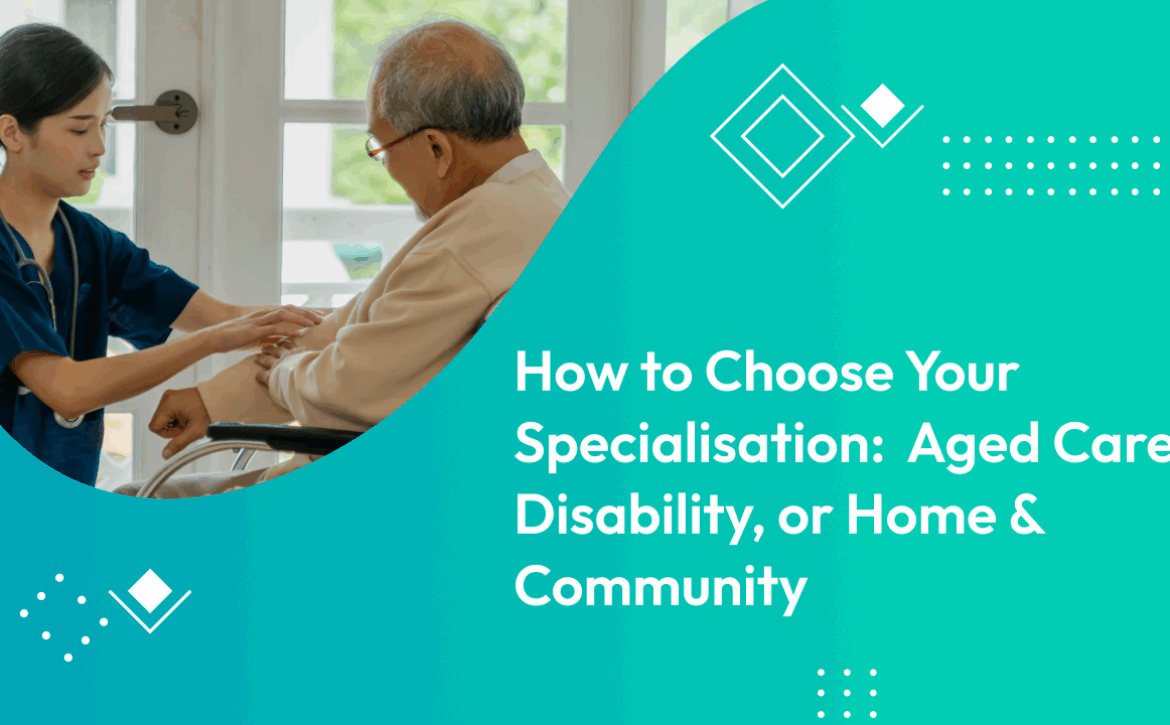
How to Choose Your Specialisation: Aged Care, Disability, or Home &Community

If you’re planning to enroll in Certificate III in Individual Support, one of the most important decisions
you’ll make is choosing your specialisation. This qualification offers three distinct streams—Aged Care,
Disability Support
, and Home & Community Care—each with its own focus, work environment, and
career outcomes.

Understanding the differences between these streams will help you align your training with your interests,
strengths, and long-term goals.

Aged Care Specialisation

Overview:

This stream prepares you to work in residential aged care facilities, supporting older adults with daily
living tasks and wellbeing.

Typical Duties:

  • Assisting with personal care (e.g. bathing, dressing, mobility)
  • Monitoring health and reporting changes
  • Providing emotional support and companionship
  • Supporting clients with dementia or high-care needs

Ideal For:

Those who are compassionate, patient, and enjoy building relationships with older people. Aged care
roles often involve structured environments and teamwork.

Career Outcomes:

  • Aged Care Worker
  • Personal Care Assistant
  • Residential Support Worker

Disability Support Specialisation

Overview:

This stream focuses on supporting individuals with physical, intellectual, or developmental disabilities in
various settings.

Typical Duties:

  • Assisting with daily routines and personal care
  • Supporting independent living and skill development
  • Facilitating community participation
  • Providing behavioural and emotional support

Ideal For:

Those who are empathetic, adaptable, and passionate about inclusion. Disability support roles often
involve one-on-one care and goal-focused support.

Career Outcomes:

  • Disability Support Worker
  • NDIS Support Worker
  • Lifestyle Assistant

Home & Community Care Specialisation

Overview:

This stream trains you to provide care in clients’ homes or community settings, offering flexible and
mobile support.

Typical Duties:

  • Assisting with domestic tasks (e.g. cooking, cleaning, errands)
  • Providing personal care and companionship
  • Supporting clients during outings or appointments
  • Promoting independence in familiar environments

Ideal For:

Those who prefer variety, autonomy, and working independently. This stream suits people who enjoy travel and flexible schedules.

Career Outcomes:

  • Home Care Assistant
  • Community Support Worker
  • Outreach Support Worker

How to Choose the Right Stream

Here are a few questions to guide your decision:

  • Do you prefer working in a facility, in homes, or out in the community?
  • Are you drawn to supporting older adults, people with disabilities, or those living independently?
  • What kind of work environment helps you thrive—structured, flexible, or mobile?

Still unsure? Many students speak with AHETI’s trainers before enrolling to explore their options. Some even choose to complete multiple specialisations for broader career flexibility

Ready to Start Your Journey?

No matter which stream you choose, Certificate III in Individual Support gives you the skills,
confidence, and purpose to make a real impact.

Enroll Now

READ MORE
Uncategorized
kristine.dawang

How to Start a Healthcare Careerin Australia: Enroll in NationallyAccredited Training with AHETI

If you’re looking to build a meaningful career that’s both future-proof and community-focused, look no further than Australia’s booming healthcare sector. With an increasing demand for aged care, disability support, and emergency response professionals, there’s never been a better time to invest in healthcare training in Australia.
And at the Australian Health Education & Training Institute (AHETI), we specialise in getting you there —qualified, confident, and job-ready

Why Choose AHETI for Healthcare Training?

As a trusted Registered Training Organisation (RTO), AHETI delivers nationally recognised courses
that blend practical training with strong industry alignment. Whether you’re upskilling, changing
careers, or starting fresh, our programs are designed to help you thrive in Australia’s dynamic
healthcare environment.

At AHETI, students benefit from:

  • ✅ Qualified trainers with real-world experience
  • ✅ Small class sizes and flexible study options
  • ✅ Career-ready outcomes, not just certificates
  • ✅ A supportive learning environment from day one

What Healthcare Courses Does AHETI Offer?

Our courses are tailored for individuals who want to enter or grow in the health and support sector.
Each program includes hands-on sessions, up-to-date learning resources, and national recognition.

Certificate III in Individual Support (CHC33021)

Build a strong foundation in aged care, disability support, or home and community care. Learn how to deliver person-centred support with empathy, competence, and professionalism.
A foundational qualification for careers in aged care, disability, or home and community support.
Students learn how to provide person-centred care with empathy and professionalism. AHETI
supports them with structured theory, real-world placements, and guidance tailored to today’s support workforce

Provide First Aid (HLTAID011)

Master first response techniques in emergency situations—from minor injuries to life-threatening incidents. Gain confidence, quick decision-making skills, and a deep understanding of care protocols.

This course teaches essential response techniques for common injuries, emergencies, and life-
threatening scenarios. It’s vital for anyone working in public-facing or caregiving roles. AHETI delivers this training with real-world scenarios and expert guidance so students walk away confident and prepared.

Provide CPR (HLTAID009)

Stay prepared with Cardiopulmonary Resuscitation (CPR) training that meets national work health and safety standards. A must-have certification for carers, educators, and everyday Australians.

Focused on the lifesaving skill of Cardiopulmonary Resuscitation, this course is a must-have for carers, educators, and first responders. AHETI ensures participants learn correct, effective techniques through hands-on practice and clear instruction.

Infection Prevention & Control

Maintain best practices across health, childcare, or aged care settings. Critical in reducing the spread
of infectious diseases, including COVID-19, flu, and common pathogens.
This training helps learners understand how infections spread and how to break the chain using best hygiene and safety practices. AHETI’s instruction blends industry updates with practical routines, making this course especially relevant post-COVID.

What Makes AHETI Learners Job-Ready?

We combine practical simulations, real-world case studies, and experienced instruction to make sure you’re confident—not just compliant. AHETI doesn’t just train; we build tomorrow’s care professionals who make a real difference every day.

Careers in Health Are Growing—Here’s Why

Australia’s healthcare workforce is expanding rapidly, driven by:

  • An ageing population
  • The growth of NDIS and home care packages
  • The need for skilled support professionals in rural and metro areas

By enrolling in AHETI’s health education programs, you’re stepping into one of the most stable,
rewarding, and purpose-driven career paths in Australia.

Start Your Healthcare Career Today

Whether you’re taking your first step or your next one, AHETI is here to support your growth with
world-class training, flexible delivery, and a passion for better care.

Enrol Now!

READ MORE
Recent Posts
  • How RPL (Recognition of Prior Learning) Can Fast Track Your Qualification
    How RPL (Recognition of Prior Learning) Can Fast Track Your Qualification
    March 26, 2026
  • How Do I Become a Qualified Career or Educator in Australia?
    How Do I Become a Qualified Career or Educator in Australia?
    February 23, 2026
  • The Rising Demand for Vocational Health Training in Australia
    The Rising Demand for Vocational Health Training in Australia
    January 25, 2026
Categories
  • Uncategorized9

Let's make your Aspirations a Reality

Start Now
Featured image: How RPL (Recognition of Prior Learning) Can Fast Track Your Qualification
logotype

Australia Health Education and Training Institute acknowledges the Traditional Custodians of this nation and their connection to the land in which we work, live, and study. We pay our respects to Elders past, present, and emerging, and acknowledge Aboriginal and Torres Strait Islander peoples as the first peoples of Australia. This land is, was, and always will be Aboriginal land.

Contact Us

support@aheti.com.au

+ 0468 775 661

52 Atchison St., Suite 203, level 2, St Leonards, Sydney, NSW 2065

Useful links

Why Us

Our Team

Courses

Latest News

Contact

Learning

Student Handbook Policies & Procedures Student Forms Student Support  
LoginRegister as Instructor
Facebook Twitter Instagram

© Copyright 2023 Australia Health Education and Training Institute. All rights reserved.