


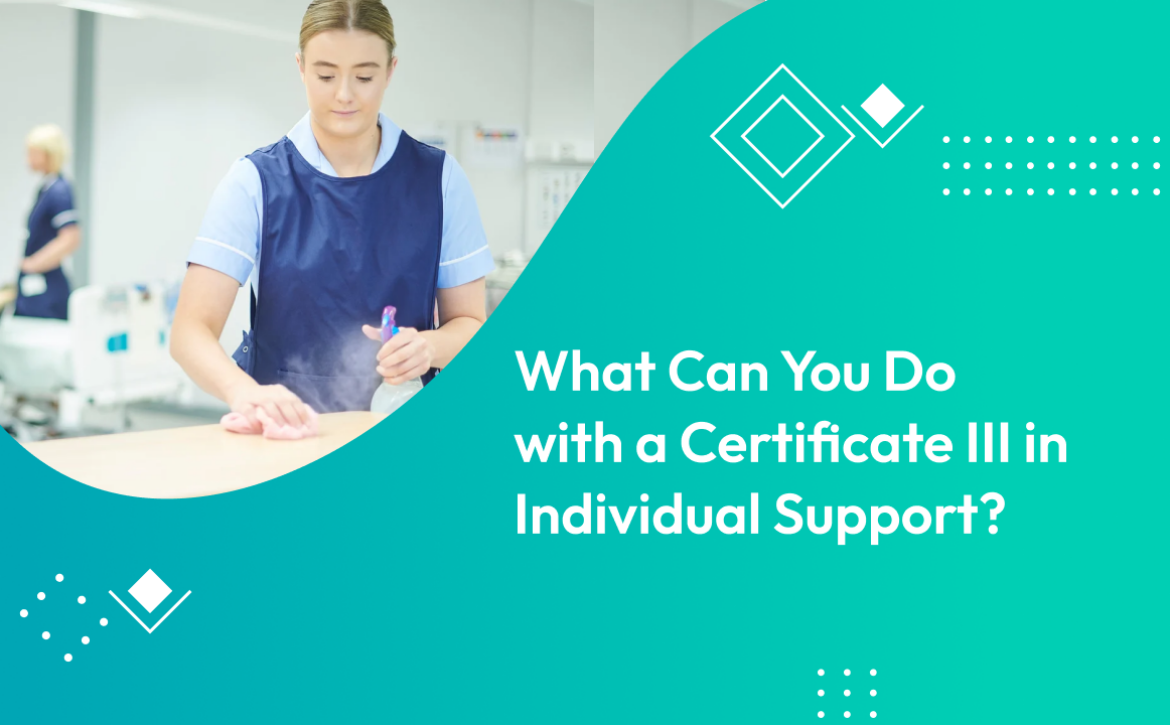
What Is Workplace Hygiene and Why Is Infection Control Essential?
Workplace hygiene isn’t just about keeping things clean — it’s about protecting health, ensuring compliance, and building trust. In healthcare, aged care, disability support, and community services, infection control is the everyday practice that keeps both workers and clients safe.

Why Is Hygiene Important in the Workplace?
- Protecting Health: Reduces the spread of illness among staff and clients.
- Professional Standards: Clean environments reflect credibility and care.
- Compliance: Meeting national infection control standards ensures workplaces remain legally and ethically aligned.
- Confidence: Workers trained in hygiene protocols feel prepared and respected in their roles.

What Does Infection Control Look Like in Practice?
Infection control is more than gloves and sanitizer — it’s about consistent habits and awareness:
- Correct use of PPE (personal protective equipment)
- Safe handling and disposal of waste
- Maintaining clean workspaces and tools
- Following protocols for hand hygiene and surface cleaning

These practices create a culture of safety that benefits everyone.
How Does AHETI Help You Build These Skills?
AHETI integrates hygiene and infection control across all training programs, ensuring graduates are workplace-ready. For those seeking deeper expertise, the SHBBINF002 – Maintain Infection Control Standards unit provides structured knowledge and confidence to uphold best practices.
This unit helps learners understand not just the “how” but the “why” behind infection control — making them trusted professionals in any setting.